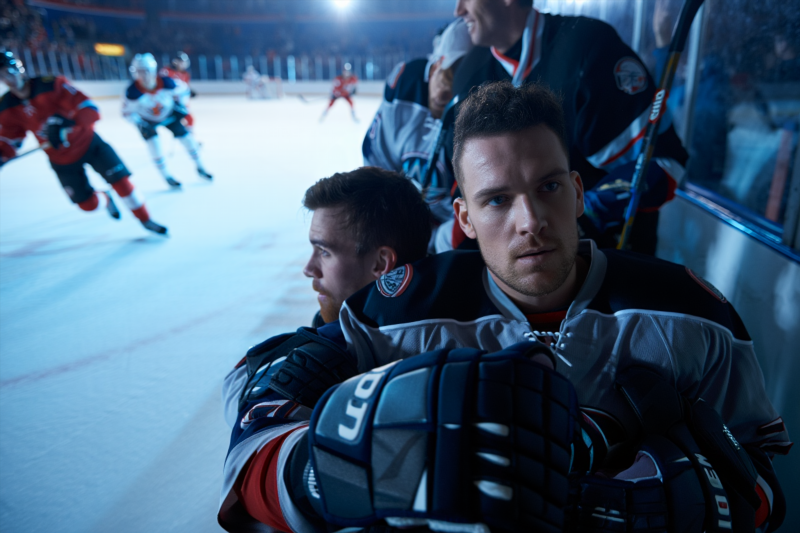
Enforcers’ Impact on Hockey’s Evolution and Legacy
Hockey is a sport defined by speed, skill, and intensity. Among its most controversial and influential figures are the enforcers—players whose primary role was to protect their teammates through physicality, often engaging in fights and aggressive play. While often misunderstood, enforcers have left an indelible mark on hockey’s history, shaping its evolution and influencing its culture. Discover how these players impacted the game and why understanding their legacy is essential for any true hockey enthusiast.
The Role of Enforcers in Hockey History
Defining the Enforcer
An enforcer, also known as a “fighter,” is a player tasked with deterring opponents from targeting star players through physical intimidation and retaliation. Their role extends beyond combat—serving as guardians and maintaining team morale.
Key characteristics of enforcers:
- Specialize in fighting and physical play
- Often possess a sturdy physical build
- Prioritize team protection over scoring
Origins and Evolution of the Enforcer Role
The enforcer’s role emerged in the early days of hockey as a response to rougher gameplay and the need for physical deterrence. During the mid-20th century, enforcers became central figures in team strategies, embodying the “tough guy” persona.
Over decades, their presence evolved alongside changes in rules, gameplay speed, and safety protocols. While their role has diminished in recent years due to stricter regulations, their influence remains rooted in hockey’s culture.
Enforcers and Their Influence on the Game
Shaping Playstyle and Cultural Identity
Enforcers fostered a culture of resilience and toughness that defined hockey:
- Intimidation as Strategy: Enforcers used physicality not just to retaliate but to intimidate opponents, influencing game tempo.
- Team Unity: Their protective role enhanced team cohesion, often rallying players during tough times.
- Fan Engagement: Physical fights and confrontations became part of the spectacle, boosting fan excitement and arena atmosphere.
Impact on Rules and Regulations
The prominence of enforcers contributed to significant rule changes aimed at player safety:
- Fighting Regulations: Introduction of penalties and fighting bans to reduce injuries.
- Safety Protocols: Adoption of equipment improvements and stricter officiating.
- Game Pacing: Transition toward faster, skill-based gameplay has lessened enforcers’ prominence but not their historical impact.
The Legacy of Enforcers in Hockey
Honoring the Enforcer Tradition
Many legendary enforcers are celebrated for their contributions:
| Notable Enforcers | Key Contributions | Legacy Impact |
| Bob Probert | Toughness, leadership | Inspired future fighters and team protectors |
| Tie Domi | Durability, fan favorite | Embodied the fighting spirit of hockey |
| Marty McSorley | Physical presence, versatility | Set standards for enforcer roles |
How Enforcers Shaped Modern Hockey
Despite current shifts towards skill-focused play, enforcers paved the way for a broader understanding of physicality in hockey:
- Recognized the importance of protecting star players
- Influenced training in strength and resilience
- Inspired the development of gritty, determined playing styles
Understanding Their Impact Today
While fewer enforcers are active now, their influence persists:
- Cultural Respect: Enforcers are venerated as symbols of toughness and loyalty.
- Analytical Recognition: Advanced statistics reveal their importance in team dynamics beyond scoring.
- Evolution of Roles: Modern “physical players” still embody enforcer traits, though more judiciously used.
Frequently Asked Questions
Q1: Were enforcers necessary for winning championships? Many championship teams historically relied on enforcers for physical presence and intimidation, but success also depended on skilled, versatile players. The role complemented strategic gameplay.
Q2: Do enforcers have a place in today’s NHL? While less prominent, enforcers still play a role in specific situations. The trend favors skill and speed, but physicality remains part of the game’s fabric.
Q3: How can I appreciate enforcers’ contributions? Watching classic fights, interviews, and game footage provides insight into their importance, and analyzing their influence on NHL policies offers a deeper understanding.
The enforcer’s role has profoundly shaped hockey’s history, culture, and evolution. From fostering resilience and team loyalty to influencing rules and gameplay strategies, enforcers have left a legacy that transcends their fighting days. As hockey continues to evolve, understanding their contributions is vital to appreciating the sport’s rich, multifaceted character.
Explore more on hockey’s history, game tactics, and player analytics at Moleanos Hockey Hub — your trusted portal for all hockey news and insights.