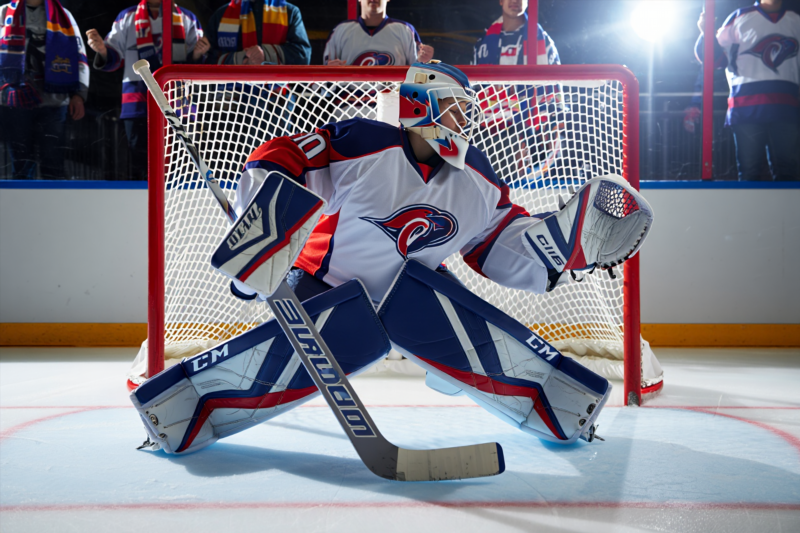
In the fast-paced world of modern hockey, the goaltender stands as the last line of defense, often determining the outcome of a game with a pivotal save or a costly mistake. As teams evolve and strategies become more sophisticated, the role of the goaltender has expanded beyond simply stopping pucks. Today’s goalkeepers must master a blend of technical skills, strategic awareness, and mental toughness to guard their net effectively.
For enthusiasts following Moleanos Hockey Hub, understanding these core responsibilities and techniques is essential to appreciating the nuances behind player performances, game tactics, and the unpredictable flow of hockey action.
The Core Responsibilities of a Modern Goalkeeper
Protecting the Net with Precision
The primary responsibility of a goaltender remains to prevent the opposing team from scoring. This involves:
- Positioning: Staying square to the puck and maintaining optimal angles.
- Shot Stopping: Using reflexes and technique to stop shots from any distance.
- Rebound Control: Managing pucks that bounce off the goalie or the goalie’s pads to prevent second-chance opportunities.
Supporting Team Defense
Modern goalies are increasingly involved in team tactics:
- Communicating effectively with defensemen.
- Playing the puck to initiate breakouts.
- Reading the play to anticipate passes and offensive setups.
Key Techniques Modern Goalkeepers Must Master
Achieving excellence in goal requires mastering a collection of technical skills and strategies. Below we explore some of the most critical techniques:
1. The Butterfly Save
The butterfly is the cornerstone of modern goaltending, allowing for quick, efficient saves on low shots.
- Technique: Drop to your knees and flare your pads outward to cover the bottom of the net.
- Advantages: Increases coverage area, reduces rebound opportunities, and allows rapid recovery for follow-up shots.
2. Post-to-Post Movement
Efficient lateral movement along the goal line is vital for closing angles and reacting to shots.
- Techniques to Improve: Side steps, controlled skating, and quick glove hand reactions.
- Impact: Ensures goalies can cover the entire goal area swiftly, especially during tight plays.
3. Puck Handling and Puck Playing
Modern goalies are increasingly involved in puck distribution, transforming from passive shot-stoppers to active playmakers.
- Techniques: Clear the puck effectively under pressure using forehand or backhand passes.
- Advantages: Sets up offensive plays and relieves defensive pressure.
4. Reactivity and Reflexes
Quick reactions can be the difference between a save and a goal.
- Training Tips: Utilize reaction drills, visual tracking exercises, and agility training.
- Role: Keep the puck out of the net during unpredictable rebounds and deflections.
5. Screen and Traffic Management
Modern goalies must navigate crowded areas during play.
- Strategies: Use positioning to see the puck through screens and maintain awareness of opponent players.
- Result: Enhance saving chances and reduce scoring opportunities against heavily screened shots.
Advanced Skills and Strategies in Modern Hockey Goaltending
The Hybrid Technique
Combining traditional styles (stand-up and butterfly) to adapt to different shot types, situations, and personal strengths.
Reading the Play
Anticipating opponents’ actions based on game flow, player tendencies, and situational cues.
Mental Toughness
Handling high-pressure moments, rebounds, and quick turnarounds with composure and confidence.
Enhancing Your Goaltender Skills
For aspiring and current goalies, continuous training is essential. Focus on:
- Regular Technique Drills: To refine reflexes and positioning.
- Video Analysis: Study game footage for positional awareness and decision-making.
- Physical Conditioning: Maintain agility, strength, and endurance.
- Mental Preparation: Develop focus, resilience, and confidence.
The role of a goaltender has evolved into a multifaceted position demanding a diverse skill set. Mastering key techniques — from butterfly saves to puck handling — can significantly enhance a team’s defensive resilience and overall performance. As hockey continues to develop tactically and physically, the most successful goalkeepers will be those who adapt, innovate, and perfect their craft.
Stay ahead with Moleanos Hockey Hub — your go-to portal for in-depth hockey news, tactical insights, and player analytics to deepen your understanding of the sport. Whether analyzing NHL standings or international league strategies, mastering the art of goaltending is essential for appreciating the true skill behind every save.
Frequently Asked Questions
Q: What are the most important skills for modern goalkeepers? A: Key skills include quick reflexes, effective positioning, puck handling, rebound control, and mental toughness.
Q: How does modern hockey differ for goaltenders compared to the past? A: Today’s goalies are more involved in playmaking, require advanced puck-handling skills, and emphasize athleticism and reading the game over purely positional play.
Q: How can aspiring goalies improve their technical skills? A: Regular practice, video analysis, physical conditioning, and mental training are crucial.
Q: What strategies help goalies deal with screens and traffic? A: Maintaining proper positioning, tracking the puck through screens, and effective communication with defenders.
By understanding and mastering these techniques, modern hockey goalies can elevate their game, support their team’s defense, and remain competitive in today’s high-speed puck battles.