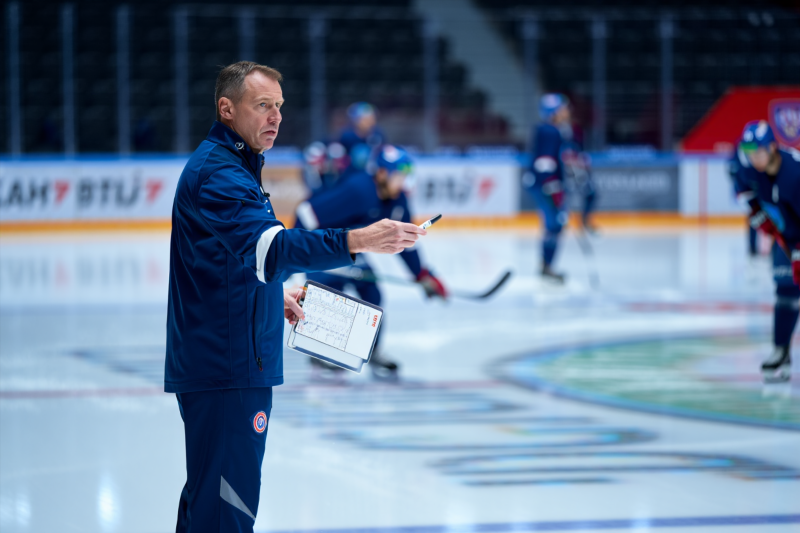
In the fast-paced world of ice hockey, success hinges on more than just individual talent. It’s about the meticulous design of game plans that maximize team efficiency, leverage strengths, and exploit opponents’ weaknesses. Hockey coaches are the masterminds behind these strategies, combining tactical mastery with psychological insight to guide their teams to victory. Whether you’re a seasoned coach or an aspiring leader, understanding how to develop effective game plans can dramatically improve your team’s performance.
The Role of a Hockey Coach in Strategy Development
Hockey coaches are responsible for crafting comprehensive tactics tailored to their team’s unique profile and the upcoming opponents. Their goals include:
- Enhancing offensive and defensive cohesion
- Optimizing player roles and line combinations
- Adapting to game situations and opponent strategies
- Motivating players and fostering team chemistry
Strategic planning isn’t a one-size-fits-all process but involves analyzing various factors derived from game analytics, player statistics, and competition trends.
Key Techniques for Designing Effective Hockey Game Plans
1. Analyzing Team and Player Analytics
Modern hockey coaching relies heavily on data-driven insights. Analyzing team and player analytics helps coaches identify:
- Strengths to capitalize on
- Weaknesses to avoid
- Optimal line combinations based on player compatibility
- Performance metrics such as shot effectiveness, face-off win rates, and defensive coverage
2. Studying Opponent Tactics and League Trends
Understanding opponents’ tactics is crucial. Coaches review game footage and statistical reports to:
- Recognize their preferred plays and setups
- Identify defensive vulnerabilities
- Plan counter-strategies that neutralize their strengths
Furthermore, staying informed about NHL and international league trends ensures the team’s tactics remain contemporary and effective.
3. Utilizing Tactics and Formations
Effective game plans often involve specific tactics, such as:
- Forechecking schemes (e.g., aggressive pressure vs. retreat-based strategies)
- Special teams setups (power play and penalty kill formations)
- Transition strategies (quick counterattacks vs. controlled puck possession)
A coach’s ability to adapt formations during a game can turn the tide in critical moments.
4. Prioritizing Player Roles and Line Combinations
Assigning roles based on each player’s skills and tendencies optimizes team performance. Effective coaches:
- Balance offensive and defensive line combinations
- Rotate players to maintain energy levels
- Tailor roles during period shifts and special situations
5. Preparing for Different Game Situations
Anticipating various scenarios allows coaches to allocate resources accordingly. This includes:
- Managing the game clock and score
- Adjusting defensive depth and pressure
- Implementing contingency plans for unexpected events
How to Maximize Your Team’s Performance with Strategic Planning
| Step | Action | Benefit |
| 1 | Gather comprehensive team data | Identify strong suits and areas for improvement |
| 2 | Analyze opponent tendencies | Develop effective counter-strategies |
| 3 | Design tailored tactics | Optimize team strengths against specific opponents |
| 4 | Communicate clear game plans | Ensure all players understand their roles |
| 5 | Adapt strategies in real-time | Respond effectively to game developments |
Developing a Tactical Mindset
Effective hockey coaching involves continuous learning and adaptation. Incorporate:
- Regular film reviews
- Player feedback sessions
- Tactical drills during practice sessions
- Mental conditioning to boost focus and resilience
Why Strategic Game Planning Is Crucial for Success
Developing and executing a well-crafted game plan can:
- Increase win probabilities
- Improve team cohesion
- Enhance individual player performance
- Create sustainable success over a season
From NHL powerhouses to international teams, the teams that consistently outperform their rivals do so because of meticulous game planning combined with skilled execution.
FAQs About Hockey Game Planning
Q1: How do I develop an effective game plan as a coach?
A: Start by analyzing your team’s strengths and weaknesses through statistics and video footage. Study your upcoming opponent’s tactics, then tailor your strategies accordingly. Practice your plans during training sessions, ensuring players understand their roles. Remain flexible and adapt during games based on real-time developments.
Q2: What are common tactics used in hockey game plans?
A: Common tactics include forechecking strategies (like the 2-1-2 or aggressive trap), special teams formations (such as the umbrella power play), and transition plays that aim for quick counterattacks. Adjusting these tactics based on the game situation is key.
Q3: How important are player roles in tactical planning?
A: Very important. Assigning roles that match players’ skills enhances team performance. Proper line combinations and clear responsibilities foster chemistry and ensure cohesive execution of the game plan.
Q4: How can technology aid in designing game plans?
A: Advanced analytics, video analysis tools, and scouting software provide in-depth insights into team and opponent tactics. They enable coaches to make informed decisions and develop strategies rooted in real data.
Final Thoughts: Mastering the Craft of Hockey Strategy
In the fiercely competitive realm of hockey, strategic planning separates good teams from great ones. Coaches who invest time in developing tactical awareness, analyzing stats, and preparing their players for various scenarios position their teams for success. Learn these key techniques and adopt a strategic mindset to turn your team into a formidable opponent on the ice.
Ready to elevate your hockey coaching game? Dive deeper into game analytics, tactical drills, and player development strategies today. Success is crafted through deliberate planning—be the coach who creates winning tactics every season.