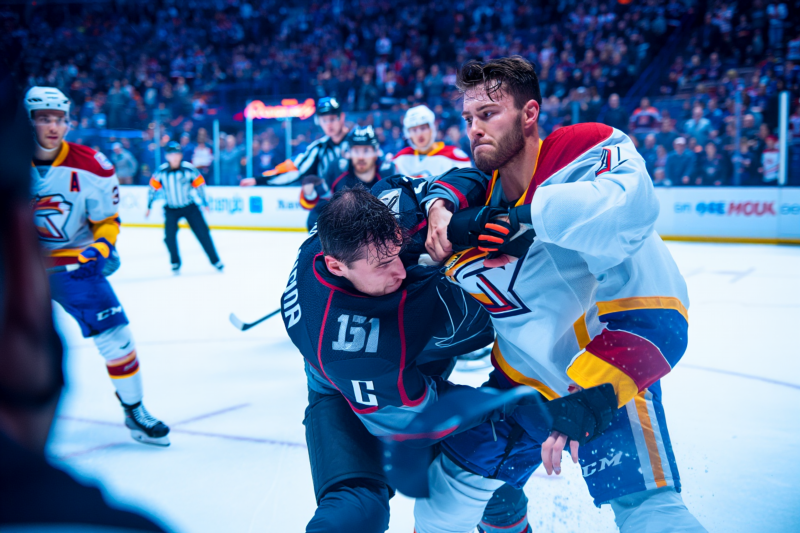
Hockey fights have long been an integral part of the sport’s culture, embodying the physicality, passion, and tradition that define ice hockey. However, over the years, the landscape of hockey fights has undergone significant transformation. From wild brawls in the early days to regulated, strategic skirmishes today, understanding these changes offers insight into how the sport and its community continue to evolve. This article explores how hockey fights have changed over time, what these shifts mean for players and fans, and what the future holds.
The Historical Perspective: From Wild Brawls to Regulated Encounters
Early Days: The Wild West of Hockey Fights
In the early 20th century, hockey fights were often spontaneous and unregulated. Players wore minimal protective gear, and physical confrontations were a way to settle disputes, assert dominance, or energize the team. These fights could quickly escalate, with little regard for official rules.
As the sport professionalized, leagues began implementing rules to manage on-ice violence. Penalties such as five-minute majors and game misconducts became standard. Despite regulations, fighting was often accepted as part of the game, with fans expecting their enforcers—players whose role was primarily to fight and protect teammates.
Modern Era: Strategic and Regulated Fights
Stricter Regulations and Their Impact
In recent decades, leagues such as the NHL have enacted stricter rules and increased penalties for fighting, aiming to foster a safer environment. These measures include:
- Fining and suspensions for fighters engaging in dangerous or excessive violence
- Enhanced refereeing to quickly disperse altercations
- Increased player safety protocols to reduce injuries
The Rise of Strategic Fights
Today’s hockey fights are often more controlled and strategic, serving specific team tactics such as:
- Protecting star players
- Changing momentum
- Sending a message to opponents
This evolution reflects a broader understanding of safety, professionalism, and sportsmanship on the ice.
Impact on Players: Behavior, Training, and Safety
Changing Player Behavior
Modern players approach fights with greater caution, often trained to control their aggression. Enforcers now balance fighting prowess with other skills, emphasizing safety and discipline.
Increased Focus on Player Safety
With awareness of head injuries and long-term health issues, leagues enforce stricter penalties and promote better protective equipment, leading players to think twice before engaging in fights.
The Role of Enforcers
Despite evolving norms, enforcers still hold a crucial role, acting as protectors of star players and maintaining team morale. Their roles have shifted toward more strategic, less reckless fighting.
Impact on Fans: Shifting Perceptions and Engagement
Changing Fan Expectations
Fans’ attitudes toward fighting have also evolved. While some traditionalists still value the physical aspect, many now see excessive violence as detrimental to the sport’s image.
The Spectacle of Fight Night
Fight nights remain a highlight for many supporters, drawing significant viewership. However, modern broadcasts include more coverage on safety and regulation efforts, reflecting changing perceptions.
Fan Engagement and the Future
As safety continues to improve and rules evolve, fans’ engagement may shift toward appreciating skillful play and strategic fights, rather than raw aggression.
What the Future Holds: Continued Evolution and Safety
Balancing Tradition and Innovation
Hockey fights will likely continue to evolve, balancing the sport’s gritty culture with safety and sportsmanship. Future regulations may further limit fighting, emphasizing skilled play.
The Role of Technology and Analytics
Advanced analytics and player tracking will provide deeper insights into fight dynamics, influencing rule adjustments and player strategies.
Fan-Centric Changes
Expect more transparent communication about safety initiatives and regulations, fostering a more informed and engaged fanbase.
FAQs: Common Questions About Hockey Fights
Are hockey fights illegal now?
Fighting is not illegal but is heavily regulated with penalties, suspensions, and fines designed to maintain safety and sportsmanship.
Why do players fight in hockey?
Fights often serve strategic purposes, such as protecting teammates, shifting momentum, or enforcing team discipline.
Has fighting decreased significantly in recent years?
Yes, the frequency of fights has generally declined due to stricter rules, safety concerns, and changes in league policies.
How does fighting impact player safety?
Fighting can lead to injuries, especially head trauma. Modern regulations aim to reduce risks while preserving aspects of the game.
Will fighting be eliminated from hockey altogether?
While difficult to predict, ongoing safety initiatives suggest fighting may continue to diminish, but likely will remain a part of hockey’s rugged tradition.
Hockey fights have greatly evolved, reflecting broader shifts toward safety, discipline, and strategic play. While rooted in tradition, modern regulations emphasize player well-being, changing both player behaviors and fan perceptions. As hockey continues to develop, understanding these changes helps fans, players, and stakeholders appreciate the sport’s rich history and its promising future.
Learn more about the latest hockey news, game previews, and insights at Moleanos Hockey Hub — your ultimate source for hockey analytics, tactics, and in-depth coverage. Stay engaged, stay informed.