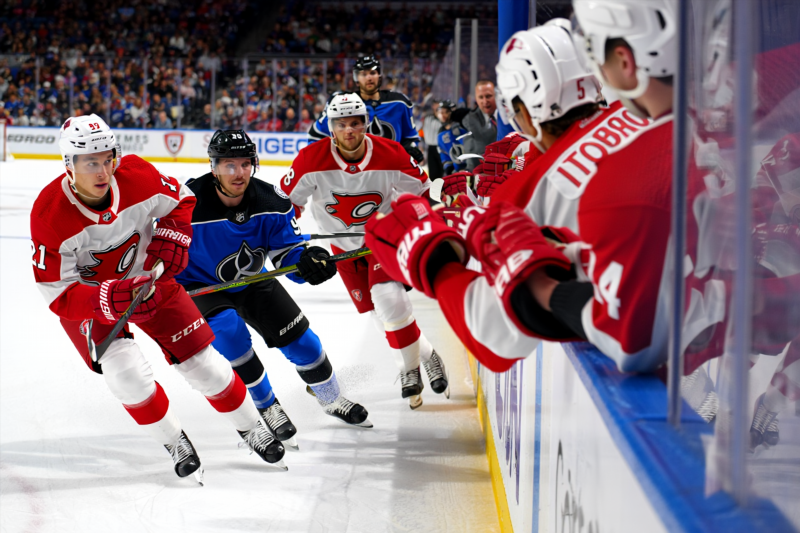
Unlock the Power of Strategic Line Changes in Hockey
In the fast-paced world of hockey, every second counts. Mastering the art of line changes and shifts is crucial for gaining a competitive edge, maintaining stamina, and executing game-winning plays. Whether you’re a coach aiming to optimize team performance or a dedicated player looking to understand the nuances of game strategy, understanding effective line change tactics is essential. At Moleanos Hockey Hub, we delve into proven methods, expert tips, and real-world examples that help you outsmart opponents and elevate your hockey game.
Why Are Line Changes Critical to Hockey Success?
The Significance of Proper Line Management
Hockey is a sport where momentum shifts rapidly. Proper line changes serve multiple strategic purposes:
- Energy Management: Keeping players fresh on ice prevents fatigue, which directly impacts speed, accuracy, and decision-making.
- Tactical Flexibility: Adjusting lines dynamically allows teams to respond to game situations, like defending a lead or pressuring the opponent.
- Special Teams Effectiveness: Precise shifts enhance power play and penalty kill units’ coordination, increasing their chances of success.
Impact on Game Flow and Opponent Psychology
Well-timed line changes can disrupt the flow of your opponents, forcing them to adapt constantly. This uncertainty creates openings for offensive opportunities and can frustrate the opposition’s rhythm.
Core Strategies for Effective Hockey Line Changes
1. Synchronize On and Off the Ice
Coordination between players and coaching staff is vital. Sudden, uncoordinated shifts can cause lapses in coverage, creating vulnerabilities. Implementing a synchronized change often involves:
- Pre-planned line rotations for predictable shifts.
- Visual cues such as hand signals or specific timing, especially during high-pressure moments.
2. Use “Line Matching” to Gain the Upper Hand
Match your lines against the opponent’s offensive units to maximize advantages:
- Deploy your top lines against their best players for defense.
- Use checking lines to wear down key opponents.
3. Maintain Flexibility with Frequent Substitutions
Studies show that fluidity in line changes keeps opponents guessing and prevents defensive adaptations:
- Don’t rely solely on static line combinations.
- Adjust lines based on game momentum, player fatigue, and scoring needs.
4. Implement “Quick Shifts” During Breaks in Play
Rapid line changes during stoppages or less critical moments:
- Save energy for key offensive or defensive plays.
- Exploit the opponent’s disorganization following momentum swings.
Expert Tips to Optimize Your Line Changes
- Monitor Player Fatigue: Use real-time data or be attentive to physical cues for timely substitutions.
- Study Opponent Patterns: Recognize their sudden line shifts, so you can anticipate and counteract their tactics.
- Incorporate Analytics: Leverage team analytics and player heat maps to identify effective line combinations and shift timing.
- Practice Precision: Regularly rehearse line change routines during practice to ensure seamless on-ice execution.
Enhancing Your Game with Advanced Shift Tactics
Tactical Formations and Line Combinations
Strategic line combinations can exploit the opposing team’s weaknesses:
| Line Type | Purpose | Typical Composition |
| Checking Line | Wear down opponents | Usually aggressive and physical players |
| Scoring Line | Maximize offensive potential | Skilled, fast, high-scoring players |
| Energy Line | Maintain high energy | Younger, energetic players |
Adapting to Game Situations
Adjust your shift lengths and line matchups based on:
- Lead or deficit status
- Time remaining in the game
- Special teams situations
Frequently Asked Questions
How often should I change lines during a game?
Optimal line change frequency depends on game flow, player stamina, and strategy. Typically:
- Every 40-60 seconds during regular shifts.
- Shorter or longer based on fatigue and tactical needs.
How can I improve my team’s line change efficiency?
- Conduct dedicated drills that simulate in-game scenarios.
- Use visual or tactile signals for seamless transitions.
- Emphasize communication and timing in practice.
What are the signs of poor line change execution?
- Allowing opponents to expose defensive gaps.
- Players appearing tired or out of position.
- Increased turnovers or scoring chances against.
Effective hockey line changes are a subtle yet powerful tool in your game strategy arsenal. By synchronizing shifts, leveraging analytics, and staying adaptable, you can continuously outsmart your opponents and influence the game’s outcome. Remember, consistency, communication, and tactical flexibility are the key drivers behind winning on ice.
Ready to take your hockey performance to the next level? Explore expert tips, analyze game footage, and implement precise line change strategies today—dominate the rink with smarter shifts and superior game management!
Discover more in-depth hockey coverage, game previews, and analytics at Moleanos Hockey Hub—your ultimate portal to hockey success.