Unlock Peak Performance and Minimize Injury Risks Through Targeted Offseason Workouts
As a dedicated hockey athlete, your offseason represents a golden opportunity to elevate your game. Effective offseason training isn’t just about building strength; it’s also about enhancing resilience and reducing injury risks that can sideline you during critical parts of the season. At Moleanos Hockey Hub, we recognize that strategic, well-structured workouts can be transformative—empowering players to perform at their best and stay safe on the ice.
In this comprehensive guide, we’ll explore how hockey players can benefit from offseason training, share proven methods to boost strength and durability, and offer actionable tips to transform your offseason into a catalyst for success.
Why Offseason Training Matters for Hockey Players
1. Building Muscle Strength and Power
Hockey demands explosive power—whether it’s skating speed, shot velocity, or physical battles along the boards. Offseason workouts focus on developing muscular foundation, especially in the lower body, core, and upper body, to translate into more powerful, controlled on-ice movements.
2. Enhancing Injury Prevention and Resilience
Injury prevention is a critical aspect of offseason training. Strengthening muscles, tendons, and ligaments reduces the likelihood of strains, sprains, and overuse injuries. Moreover, targeted conditioning helps address common vulnerabilities specific to hockey, such as groin strains or shoulder injuries.
3. Boosting On-Ice Performance
Consistent offseason training improves agility, endurance, and overall conditioning—key factors that empower athletes to excel during game time. By maintaining a high level of fitness year-round, hockey players can hit the ice with confidence and vigor.
Effective Offseason Hockey Training Tips
Focus Areas for Optimal Results
| Area | Training Focus | Benefits | Recommended Exercises |
| Lower Body | Power, speed, stability | Explosive skating, quick turns | Squats, lunges, plyometrics, sled pushes |
| Core | Balance, rotational strength | Better puck control, agility | Planks, Russian twists, medicine ball throws |
| Upper Body | Strength, injury prevention | Stronger shots, less shoulder injury | Bench press, pull-ups, rotator cuff exercises |
| Flexibility & Mobility | Range of motion, recovery | Enhanced movement efficiency | Dynamic stretching, yoga |
1. Incorporate Functional, Multi-Joint Movements
Training should mimic on-ice actions—think squats for skating power, rotational movements for shooting, and push-pull exercises for physical battles. Functional workouts translate better into game performance.
2. Prioritize Plyometric and Explosive Training
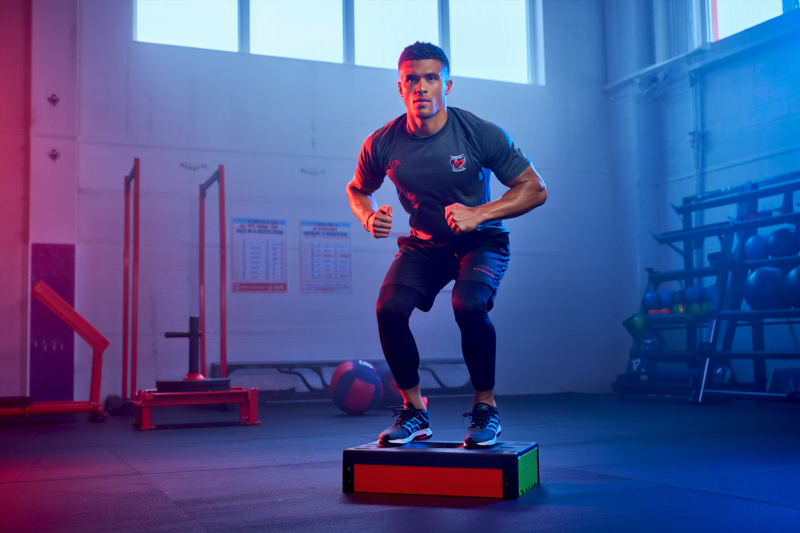
Plyometrics improve speed and power—essential for quick acceleration and explosive plays. Include box jumps, burpees, and bounding exercises in your routine.
3. Schedule Proper Recovery and Rest
Muscle growth and injury prevention depend on adequate recovery. Incorporate rest days, foam rolling, and mobility work to prevent overtraining and facilitate muscle repair.
4. Work with a Specialized Coach or Trainer
A sports-specific trainer can tailor routines to your unique needs, helping you focus on weaknesses, prevent overuse, and optimize results safely.
Common Questions About Offseason Hockey Training
How long should my offseason training last?
Ideally, offseason training spans 3 to 6 months, allowing sufficient time to build strength, improve conditioning, and recover before pre-season.
Can I still train if I have minor injuries?
Always consult a medical professional before starting or continuing training with injuries. Modified exercises and rehab-focused workouts can help maintain fitness while recovering.
How often should I train during the offseason?
Aim for 3–5 sessions per week, combining strength training, conditioning, and mobility work. Incorporate rest days and ensure variety to prevent boredom and overtraining.
Is offseason training necessary if I plan to participate in summer tournaments?
Yes. Consistent offseason training ensures you maintain peak performance levels, reducing injury risk, and preparing you for competitive play regardless of tournament schedules.
Final Thoughts: Making Offseason Work for You
Offseason training is a strategic investment in your hockey career. By building strength, enhancing performance, and prioritizing injury prevention, you set yourself up for long-term success on the ice. Remember, consistency and targeted effort are key—combine effective workouts with proper nutrition and recovery, and watch your game transform.
Take Action Today
Start planning your offseason workouts now. Consult with a hockey-specific trainer, set clear goals, and commit to a structured training schedule. Your future self on the ice will thank you.
Ready to Elevate Your Hockey Game?
Visit Moleanos Hockey Hub for expert tips, training programs, and the latest in hockey analytics and injury prevention strategies. Your journey to becoming a stronger, safer player begins now!
*Feel free to contact us with questions or for personalized training insights—let’s take your game to the next level!*