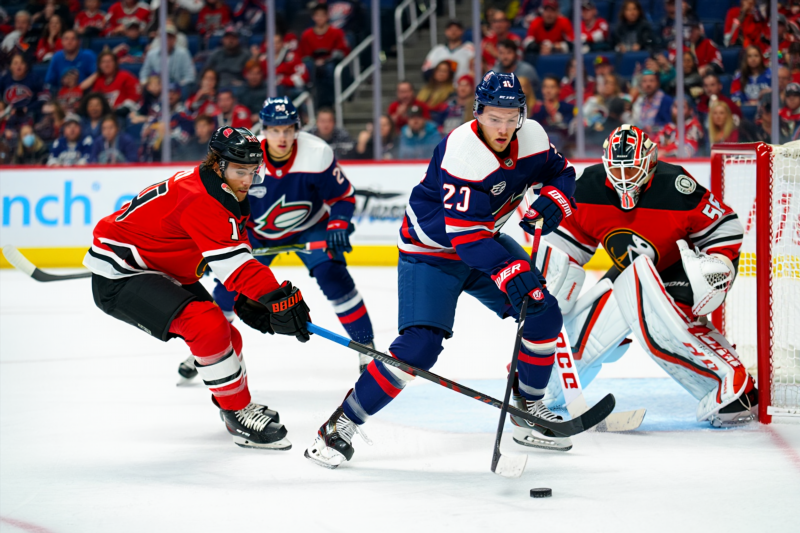
Every hockey season reaches a thrilling crescendo—the trade deadline. For fans new to the sport or even seasoned enthusiasts, understanding how hockey trades work at the deadline can seem confusing and complex. This pivotal event often reshapes team rosters, influences standings, and ignites fan debates. At Moleanos Hockey Hub, we’re here to demystify this process, providing clear insights into how teams exchange players and assets to strengthen their squads. Discover the strategic world of hockey trades and learn how your favorite teams maneuver to gain a competitive edge.
What Is the Hockey Trade Deadline?
The hockey trade deadline is a fixed date near the end of the regular season when teams are allowed to complete trades. After this date, NHL teams are generally prohibited from exchanging players, except under special circumstances for playoff-bound teams. The deadline prompts a flurry of activity, as teams look to improve their chances for postseason success or rebuild for the future.
Key Facts About the Trade Deadline:
- Timing: Usually occurs in late February or early March — varies depending on the league schedule.
- Significance: Marks the final opportunity to make roster adjustments for the current season.
- Impact: Can drastically alter team dynamics, standings, and playoff race.
How Do Hockey Trades Work?
Understanding the mechanics behind hockey trades involves breaking down several core components:
1. Asset Exchange: Players and Picks
Teams trade players, draft picks, and sometimes prospect players or salary cap considerations. The goal is to bring in talents that fit their immediate needs or future plans while offloading unwanted contracts or surplus players.
2. Trade Offers and Negotiation
Teams present trade proposals outlining what they are willing to exchange. Negotiations may involve multiple rounds, with executives balancing talent needs, salary cap implications, and future assets.
3. Trade Machinery: Salary Cap and Contracts
Hockey trades are constrained by the league’s salary cap—teams can only trade players whose combined salaries fit within their existing cap space. Salary retention (where a team agrees to pay part of a player’s salary after the trade) is also a strategic tool used to facilitate deals.
4. Trade Approval
Trades typically require approval from the league office to ensure compliance with rules, including no trades to or from teams under certain sanctions or violations.
Strategies Behind Hockey Trades
Teams don’t trade players randomly; each move is backed by a strategy tailored to their season goals:
| Goal | Typical Trade Strategy |
| Contending for a playoff spot | Acquire experienced, playoff-tested players to bolster roster |
| Rebuilding for future | Exchange current players for draft picks and prospects |
| Salary cap management | Trade players to free or retain salary for future flexibility |
What Happens During a Trade?
When a deal is agreed upon, the following steps occur:
- Negotiation and Agreement: Both teams negotiate terms, including player exchange, picks, and salary considerations.
- Official Submission: The trade proposal is submitted to the NHL league office for approval.
- Player Clearances: The traded players pass through league physicals and committee checks.
- Announcement: Once approved, the trade is publicly announced, and players can join their new teams immediately or at designated dates.
Key Factors Influencing Trade Decisions
Player Performance and Contract Status
Teams evaluate players’ current performance, injury history, and contract details.
Team Needs
Teams analyze their roster weaknesses—be it defense, scoring, or goaltending—and target specific players.
Market Conditions
Trade decisions can also be influenced by market conditions, such as the scarcity of certain positions or the value of draft picks.
FAQs About Hockey Trades at the Deadline
How do teams decide which players to trade?
Teams assess talent, injury status, contract length, and salary cap effects, consulting analytics and scouting reports.
Are trades guaranteed to improve a team?
While trades aim to enhance team strength, success depends on how well newly acquired players fit into the team’s system and morale.
Can players refuse to be traded?
In the NHL, players with a no-trade or no-movement clause can block trades, adding an extra layer of complexity.
Why Are Hockey Trades Exciting for Fans?
Trades at the deadline often create buzz, speculation, and hope among fans — a chance to see familiar faces in new jerseys or witness future star talent. Teams’ strategic moves are guided by analytics, game stats, and playoff ambitions, making each deadline a fascinating puzzle.
Hockey trades at the deadline are a complex but integral part of the sport’s strategic fabric. Through understanding the mechanics, strategies, and key factors involved, fans can appreciate the intelligence behind team moves and the excitement they generate. Whether your team is trading for a deep playoff run or rebuilding with future stars, knowing how these trades work enhances your fan experience and deepens your engagement with the sport.
Discover more on hockey news, game previews, and in-depth analysis at Moleanos Hockey Hub—the ultimate portal for hockey enthusiasts. Stay informed, understand the game better, and get behind the scenes of hockey trades!
Ready to dive deeper into NHL and international league analyses? Follow us now and stay ahead of the game!