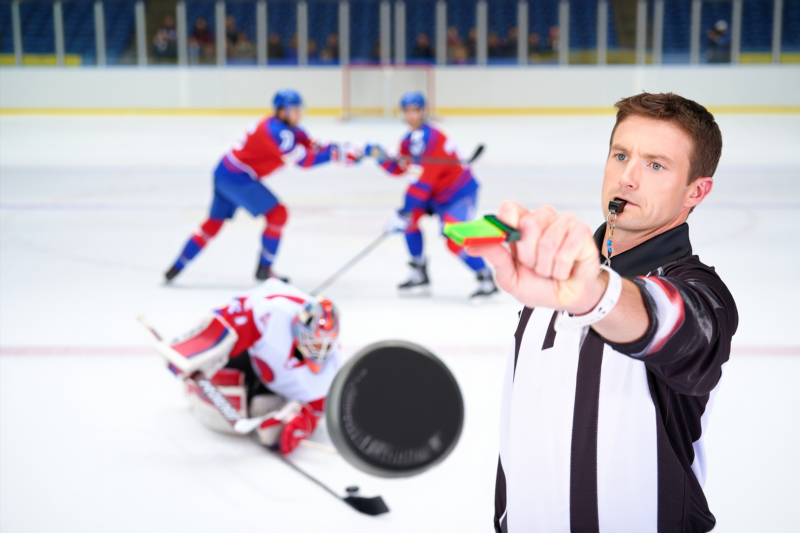
How Hockey Officials Enforce Rules to Maintain Fairness
In the fast-paced, high-intensity world of hockey, fairness isn’t just a principle; it’s the backbone of the sport’s integrity. Hockey referees and linesmen act as the custodians of the game, responsible for ensuring that players adhere to established rules. Their decisions influence the flow of the game, uphold safety standards, and safeguard the competitive spirit. At Moleanos Hockey Hub, we delve deep into how these officials make critical calls to maintain fairness, ensuring the game remains exciting, transparent, and trustworthy for players, coaches, and fans alike.
The Foundation of Rule Enforcement in Hockey
Hockey officials operate within a comprehensive framework of rules set forth by governing bodies such as the NHL and international leagues. These rules cover everything from offside calls and icing violations to penalties for fighting, tripping, and high-sticking. Proper enforcement hinges not only on knowledge but also on a series of precise decision-making processes.
The Role of Rule Knowledge and Training
- Extensive Training Programs: Officials undergo rigorous training, including on-ice practice, classroom sessions, and real-game simulations.
- Continual Updates: They stay informed about rule changes and interpretations to enforce the game fairly.
- Scenario-Based Learning: Regular drills prepare officials to handle complex situations swiftly and accurately.
The Importance of Neutrality and Impartiality
Referees must maintain neutrality, ensuring personal biases do not influence their calls. This neutrality is essential in fostering trust in officiating and ensuring fair competition.
How Officials Make Critical Calls: The Enforcement Process
Hockey referees rely on a combination of skills, tools, and processes to enforce fairness:
Video Assistance and Technology
- Video Review (Replay): In many leagues, referees utilize video replays to review contentious plays, such as goal validation or high-sticking incidents.
- Goal-Line Technology: Used to definitively determine whether the puck crosses the goal line, reducing disputes.
- Instant Replay Challenges: Coaches can challenge certain calls, prompting referees to scrutinize plays more closely.
On-Ice Judgment and Positioning
- Positioning: Officials position themselves to have the best view, minimizing blind spots and making accurate decisions.
- Signals and Hand Gestures: Clear, standardized signals communicate calls to players, coaches, and spectators.
- Split-Second Decisions: Referees often make quick judgments based on their keen observation, maintaining the game’s tempo without compromising accuracy.
Key Decision-Making Factors for Fair Play
Officials consider several critical factors before making a call:
| Factor | Description |
| Player Intent | Distinguishing between accidental infractions and deliberate fouls |
| Severity of Infraction | Assessing whether the act warrants a minor penalty, major penalty, or ejection |
| Play Context | Considering the game situation, momentum, and previous incidents |
| Rule Consistency | Ensuring uniform application of rules across all players and teams |
Ensuring Consistency and Fairness: The Core Principles
- Standardized Rules Enforcement: Following league rules uniformly for all players.
- Transparency: Explaining calls when appropriate to promote understanding.
- Accountability: Referees are reviewed regularly, and feedback is used to improve decision-making.
How Referees Enhance Game Integrity and Viewer Confidence
Proper enforcement of rules enhances the overall quality of hockey by:
- Reducing Controversies: Accurate calls minimize disputes and uphold the game’s credibility.
- Promoting Safety: Strict penalties for dangerous plays prevent injuries and protect athletes.
- Fostering Fair Competition: Ensuring both teams compete on equal footing maintains the sport’s integrity.
FAQs About Hockey Referee Decisions
Q1: How do referees decide on controversial calls? Referees use their training, on-ice judgment, and available technology such as video review to make the most accurate decision possible, balancing speed with accuracy.
Q2: Are referees biased? Professional referees are trained to remain impartial. Their decisions are based solely on what they observe and the rulebook, with oversight mechanisms in place to minimize bias.
Q3: Can technology replace human referees? While technology significantly aids decision-making, human judgment remains essential for interpreting complex, fast-moving plays in real-time.
Hockey officials play an indispensable role in upholding the integrity of the game. Their commitment to rule accuracy, rapid decision-making, and impartiality ensures that hockey remains a thrilling, fair, and respected sport worldwide. At Moleanos Hockey Hub, we celebrate these unsung heroes who work tirelessly behind the scenes, making split-second calls that uphold the spirit of fair play and elevate the game for players and fans alike.
Takeaway: Trust in the fairness of hockey begins with understanding how officials enforce rules with precision, professionalism, and integrity. Whether you’re a passionate fan or an aspiring referee, recognizing the critical importance of their role enhances your appreciation for the sport’s excellence.