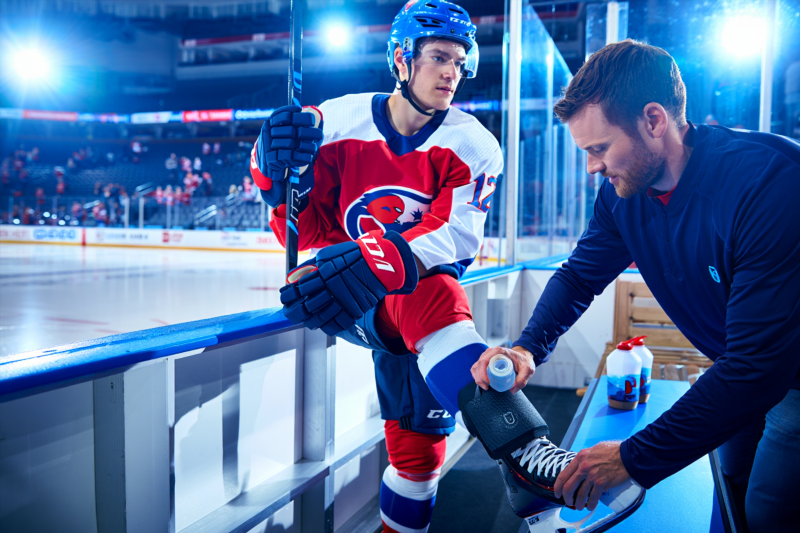
In the high-stakes world of hockey, especially during the intense playoff season, players’ performance hinges not only on skill and strategy but significantly on their ability to recover swiftly and effectively between games. The physical and mental toll of successive matches necessitates optimized recovery strategies to maintain peak stamina, reduce injury risk, and ensure players are at their best for each crucial encounter.
For coaches, players, and sports scientists involved in hockey analytics at sites like Moleanos Hockey Hub, understanding how to enhance recovery is essential for turning the tide in tightly contested playoff series. This article explores proven techniques that players can implement to boost recovery, preserve energy stores, and outpace opponents when it matters most.
The Importance of Effective Recovery in Playoff Hockey
Why Recovery Matters
- Maintaining Peak Performance: Proper recovery restores muscle glycogen, reduces fatigue, and sharpens mental focus.
- Injury Prevention: Well-recovered players are less prone to strains and overuse injuries.
- Mental Resilience: Rest reduces stress and enhances focus, crucial in high-pressure playoff moments.
Impact on Game Outcomes
Teams with better recovery protocols often outperform opponents, especially in series where games are played every other day. The ability of players to rebound quickly can be the difference between advancing or going home.
Proven Techniques for Effective Recovery Between Playoff Games
1. Nutrition and Hydration for Rapid Recovery
Proper nutrition and hydration are the foundation of effective recovery.
- Carbohydrate Intake: Replenishes muscle glycogen stores essential for high-intensity effort.
- Protein Consumption: Supports muscle repair and reduces soreness.
- Electrolytes & Fluids: Replenish lost minerals and fluids to prevent dehydration and muscle cramps.
Key Tips:
- Consume a balanced meal within 30-60 minutes post-game.
- Use sports drinks during and after matches to maintain electrolyte balance.
- Incorporate antioxidant-rich foods like berries and leafy greens to combat oxidative stress.
2. Active Recovery Sessions
Light, low-impact activities promote blood flow without adding stress to fatigued muscles.
- Examples: Gentle skating, swimming, or stretching routines.
- Benefits: Accelerates removal of metabolic waste, reduces stiffness, and prepares muscles for upcoming games.
3. Sleep and Rest Optimization
Sleep is the body’s natural way to repair tissues and consolidate mental focus.
- Aim for 8-10 hours of quality sleep—prioritize sleep hygiene.
- Naps: Short naps (20-30 minutes) during the day can boost energy levels.
- Techniques: Use blackout curtains, limit screen time before bed, and establish a consistent sleep schedule.
4. Cold Therapy and Contrast Baths
Cold immersion and contrast baths mitigate inflammation and accelerate recovery.
- Cryotherapy: Short sessions in ice baths (10-15 minutes) can reduce muscle soreness.
- Contrast Therapy: Alternating between hot and cold water stimulates circulation.
5. Incorporating Recovery Technologies
Advanced tools can supplement traditional strategies.
| Technology | Benefits | Examples |
| Compression Therapy | Reduces swelling, promotes circulation | Compression sleeves, boots |
| Percussive Massage Devices | Loosens tight muscles, relieves soreness | Massage guns |
| Electric Stimulation | Enhances muscle activation and recovery | EMS devices |
6. Mental Recovery Techniques
Effective recovery isn’t only physical.
- Visualization & Meditation: Reduce anxiety and improve focus.
- Breathing Exercises: Control stress response and promote relaxation via diaphragmatic breathing.
Building a Customized Recovery Plan
Every player’s needs are unique based on position, playing style, and physical condition.
Steps to Create an Effective Recovery Routine:
- Assess Individual Needs: Identify areas of fatigue and injury history.
- Combine Techniques: Integrate nutrition, physical, and mental strategies.
- Schedule Regular Evaluations: Adjust routines based on response and upcoming game demands.
- Leverage Data and Analytics: Use team and player stats from hockey analytics platforms to optimize recovery periods.
FAQs: Maximizing Recovery for Playoff Performance
How soon after a game should players start their recovery routine?
Ideally, immediate post-game recovery should begin within 30 minutes to replenish glycogen, hydrate, and reduce muscle soreness.
Can over-rest impair performance?
Yes. While rest is vital, excessive inactivity can lead to stiffness and decreased readiness. Balancing active rest with recovery strategies is key.
Is cold therapy suitable for all players?
Most players benefit, but those with circulatory issues should consult medical staff before cold immersion therapies.
Achieving playoff victory isn’t solely about on-ice tactics and skill; it’s equally about how players recover between games. By integrating scientifically supported techniques—ranging from nutrition and active recovery to advanced recovery technologies—players can sustain stamina, prevent injuries, and sharpen their mental focus.
Explore now to transform your playoff recovery strategy, ensuring that when the puck drops, you’re at your absolute peak. Remember, every game won is a testament to smart recovery as much as talent and determination.
Ready to enhance your team’s playoff performance? Partner with sports recovery experts and leverage data-driven insights. Contact Moleanos Hockey Hub for in-depth analytics, tactical breakdowns, and the latest recovery strategies tailored for hockey’s biggest stage.