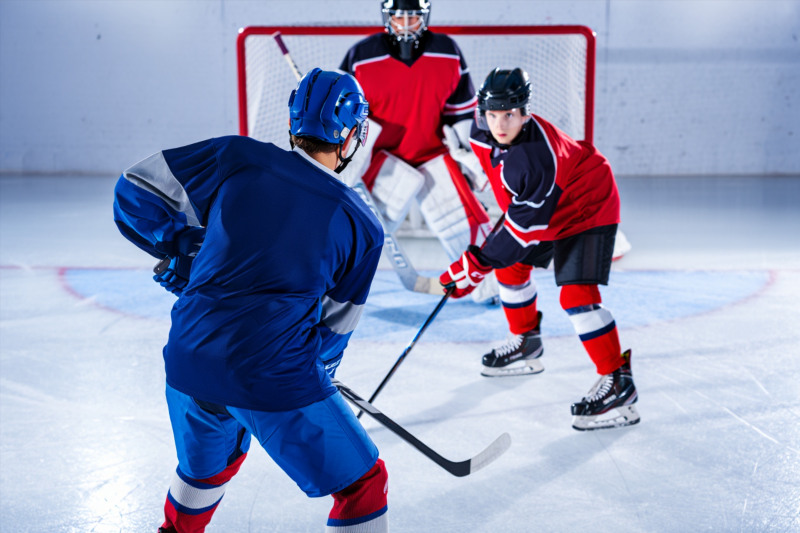
In the fast-paced world of hockey, the power play represents a crucial opportunity to tilt the game in your team’s favor. Expert teams understand that a well-executed power play can turn the tide, generate scoring chances, and ultimately lead to victory. Whether you’re a coach, player, or dedicated fan interested in boosting your team’s success, mastering key power play tactics is essential. This article delves into proven strategies, explains their implementation, and reveals how to enhance your team’s chances of converting power plays into game-winning goals.
Why Is the Power Play So Critical in Hockey?
The Impact on Game Outcomes
Power plays significantly influence game results. Teams that capitalize on their chances with an extra skater often dominate possession and scoring opportunities. Conversely, poor power play execution can allow the opposition to swing momentum and steal points.
The Psychological Edge
Executing successful power plays boosts team confidence while demoralizing opponents. Mastering strategic power play tactics amplifies your team’s psychological advantage, reinforcing resilience during difficult game phases.
Key Components of Successful Power Play Strategies
1. Strategic Player Positioning
Optimal positioning ensures better puck movement and creates scoring lanes.
| Position | Role | Typical Placement | Purpose |
| Quicker Forward | Puck retrieval | Near the crease or boards | Maintain puck possession |
| Point Men | Shooting/Toes | Top of the circle or blue line | Launch shots and distribute pucks |
| Net-Front Presence | Screen/Tip | In front of the goalie | Disrupt vision and deflect shots |
2. Puck Movement and Cycling
Smooth puck circulation confuses opponents and opens shooting lanes. Key tactics include:
- Quick passes along the perimeter
- Cyclical movement to shift defenders
- Cross-ice passes for prime shooting opportunities
3. Special Teams Roles and Responsibilities
Clear assignment of roles boosts efficiency:
- The Quarterback: directs puck movement from the blue line
- The Shooter: looks for shooting opportunities from the high slot
- The Net-Front Player: screens the goalie and deflects shots
Top Power Play Tactics to Enhance Team Success
1. The Umbrella Formation
This formation features two players across the top of the umbrella (usually the point men), with a net-front presence and a winger along the side boards. It allows:
- Multiple shooting angles
- Seamless puck movement
- Pressure on the goalie from multiple directions
2. The 1-3-1 Setup
A highly flexible formation with:
- One player at the blue line
- Three players across the top (two at the points, one near the net)
- One player closer to the crease
Advantages include:
- Blocking passing lanes
- Creating diverse shooting options
- Facilitating quick puck exchanges
3. Cross-Ice Passing and Shot Selection
Implementing cross-ice passes can:
- Lure defenders out of position
- Open shooting lanes for slapshots or quick wrist shots
- Increase scoring chances from unpredictable angles
4. Quick Passing and Shot Fakes
Deception enhances effectiveness:
- Rapid passes to shift defenders
- Fake shots to pull the goalie out of position
- Fast shot releases to beat goaltenders
How to Master Strategic Execution
Exercise Drills for Power Play Efficiency
- Rapid Passing Drills: Enhance timing and precision
- 2-on-1 and 3-on-2 Breakouts: Simulate game scenarios
- Net-Front Screen Practice: Improve puck distraction techniques
- Timed Power Play Simulations: Boost decision-making speed under pressure
Analyzing and Adjusting During Games
- Review game footage to identify weaknesses
- Make real-time adjustments with effective communication
- Incorporate data analytics for success metrics
Frequently Asked Questions
What is the most effective power play formation?
The most effective formation varies by team style, but the umbrella and 1-3-1 are consistently top performers for creating scoring chances. Adapt formations based on opponent tendencies and player strengths.
How can smaller teams succeed on the power play?
Small or less physical teams can excel by emphasizing speed, puck movement, deception, and quick shots. Focus on creating space and using strategic positioning to outsmart larger opponents.
What are common mistakes to avoid in power play execution?
- Overpassing or indecision
- Lack of player movement
- Predictable passing lanes
- Poor communication among players
- Ignoring goalie tendencies
Mastering power play tactics in hockey requires a combination of strategic formation, precise puck movement, role clarity, and adaptability. Implementing formations like the umbrella and 1-3-1, emphasizing quick passes, and training players on deception and positioning can dramatically improve your team’s scoring chances during critical moments. Consistent practice, video analysis, and in-game adjustments ensure your squad converts power plays into winning goals. Remember, strategic mastery on the power play isn’t just about individual skills—it’s about teamwork, discipline, and smart execution.
Take Action Now
Enhance your team’s power play success today:
- Review game footage of top teams’ power plays
- Practice key drills with your squad
- Experiment with formations that suit your players’ strengths
- Stay updated on tactical innovations through reliable hockey analytics platforms like Moleanos Hockey Hub
Master the art of the power play—dictate your team’s fate on the ice!